




































Innovation For Everyone

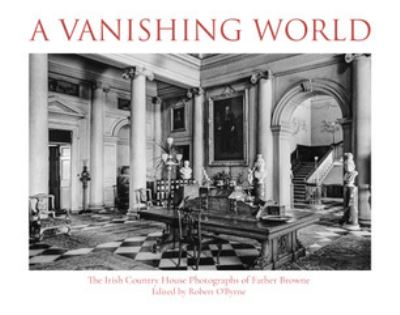
A Vanishing World: The Irish Country House Photographs of Father Browne

PRODO Task Pro High-Back Office Chair with Headrest – Ergonomic Comfort & Professional Style Enhance your productivity and comfort with the PRODO Task Pro High-Back Office Chair with Headrest, designed for modern workspaces and long working hours. Featuring a breathable mesh back, supportive headrest, and ergonomic lumbar support, this chair promotes better posture while adding a sleek professional look to your office or home setup. Key Features: High-back ergonomic design with adjustable headrest Breathable mesh backrest for improved airflow and comfort Built-in lumbar support for better posture Soft cushioned seat for all-day seating comfort Smooth height adjustment mechanism Strong chrome base with durable caster wheels for easy mobility Perfect for office workstations, home offices, and study spaces Work in comfort and style with the PRODO Task Pro High-Back Office Chair with Headrest – built for everyday performance, support, and durability.

$ 18.53

or up to 4 X රු3,997.50 with
Description Jesuit priest and amateur photographer, Fr Francis Browne is renowned for his images of the Titanic. However, much less well-known are the pictures that Fr Browne took of Irish country houses over a decade from 1946 onward. At the time, these buildings were still private properties, mostly in the hands of their original families and not open to the public. Somehow, this gentle-mannered priest gained the confidence of owners and thus unique access to their homes, free to roam with his camera around the buildings and record their interiors, at the time when they were filled with treasures accumulated over generations. Fr Browne photographed more than 50 such houses, providing us with a record of how they looked on the cusp of change. Since then, some of the buildings he visited have been entirely demolished, giving a particular poignancy to his images. Others have been sold, along with their contents, and their family histories forgotten. Only a handful continue to be owned by descendants of the people who once welcomed Fr Browne. For this book, architectural historian Robert O’Byrne has selected 20 houses, some of which may be familiar to readers, some likely to come as a revelation. All of these beautiful photographs display Fr Browne’s customary understanding of composition and offer a sympathetic insight into what was by then a fast-vanishing world. As with so much of his work, they demonstrate that he was a pioneer, investigating a world that had, until then, been largely unknown. This is a priceless record of the Irish country house at a critical moment in its history.